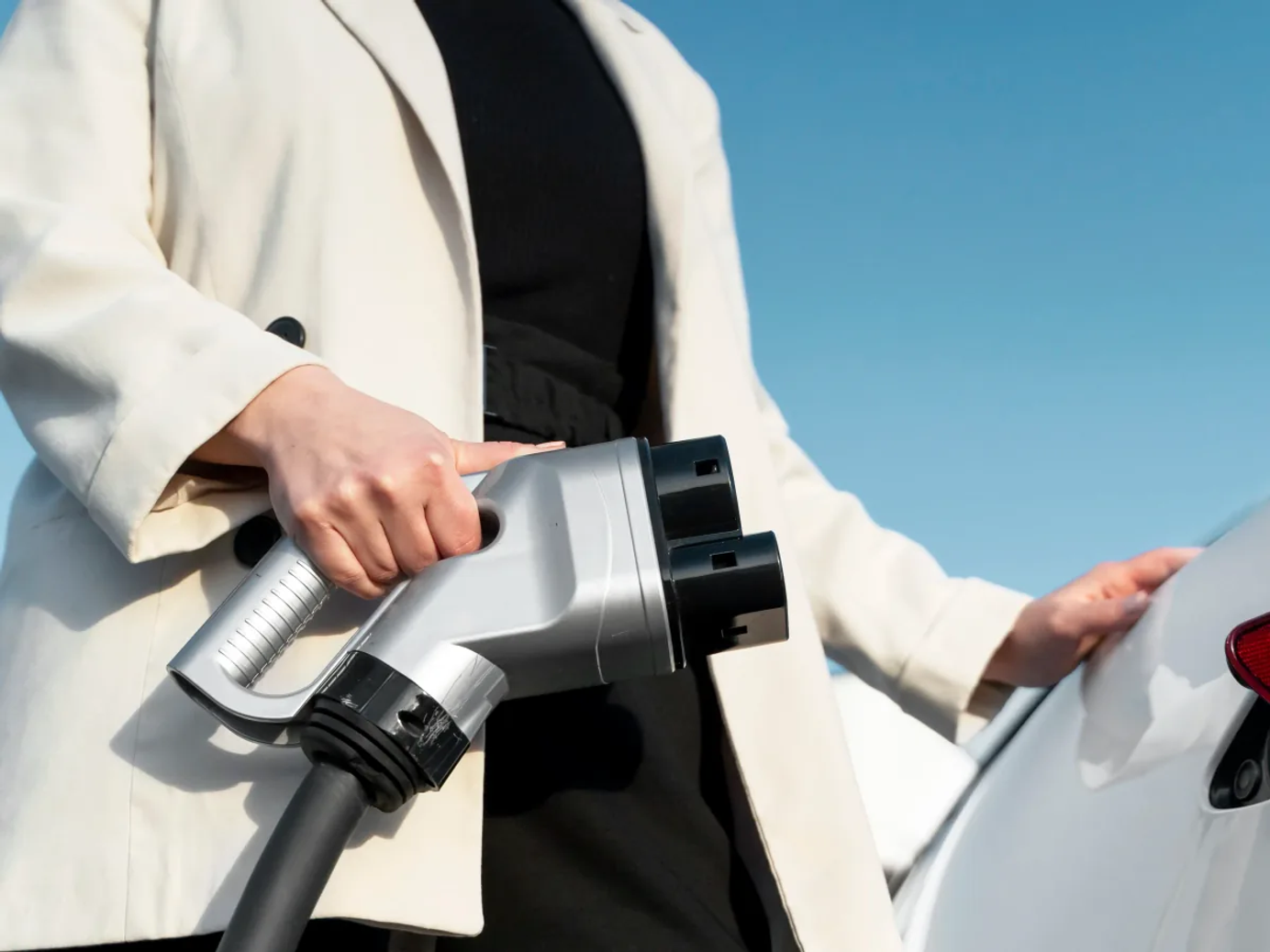
Electric car chargers for short-stay car parks

A car park has two different customers: the season-ticket holder who leaves the car every night and the short-stay user who is there two hours. They need different installations and they are resolved within the same infrastructure, if it is planned that way from the start.

What works for the season-ticket holder does not work for the passing user

A season-ticket holder leaves the car for ten or twelve hours: slow charging is enough, they want their usual bay and they expect to find it free. A short-stay user is there between one and three hours, has no assigned bay and wants to charge as much as possible in that time.

When the car park installs with only one of the two in mind, it fails the other. If everything goes into slow charging in season-ticket bays, the short-stay user finds nothing. If everything goes into the short-stay area, the season-ticket holders do not charge and go to another car park.

On top of that comes the part that is almost never resolved well: billing. The car park already has its own tariff system, and if charging goes through a different channel, the user ends up paying twice in two different places and the operator keeps two sets of books.

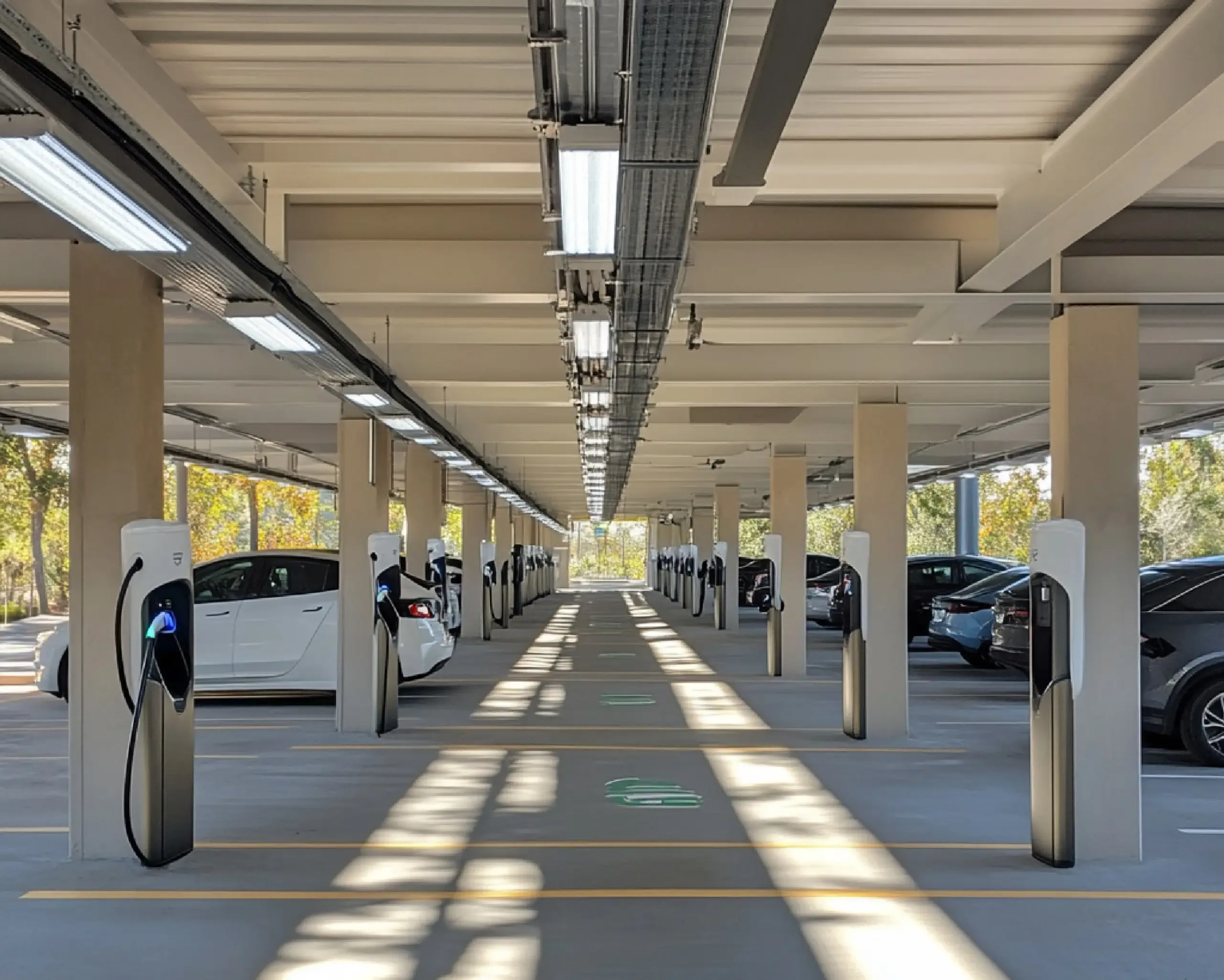
One infrastructure for both audiences

  • Zoning

    Season-ticket bays with slow charging and short-stay bays with medium charging, sized separately and fed from the same infrastructure.

  • Assigned-bay management

    The season-ticket holder charges in their own bay, with their tariff and their individual metering.

  • Integrated billing

    Charging is billed through the platform, with the option of showing it alongside the parking service.

  • Occupancy fee for short stay

    So that bays with a charger turn over and do not become permanent spaces.

  • Roaming

    Your points reachable from other platforms, so that they are also used by people who are not regular customers.

  • Reporting by zone

    Occupancy, energy and revenue separated between season tickets and short stay, which is what tells you where to extend.

Two decisions specific to a car park

Two charging profiles on the same supply

This is what makes the project viable. Season-ticket holders charge at night, when the car park is full and the building’s consumption is low. Short-stay users charge by day, when the season-ticket holders are not there. The two peaks do not coincide, so the same available power covers considerably more than it looks if the system shares it by time band.

Growing bay by bay

A car park rarely electrifies all at once. The cheap way is to lay ducting by floor or by zone for the five-year target and equip in phases as demand grows. Each new point should be a connection, not building work on a floor with cars inside.

Who can charge and how they pay

A car park holds profiles with different terms side by side: season-ticket holders with their own tariff, short-stay users, companies with vehicles in fixed bays and passing drivers who arrive through an app.

All of that is resolved with profiles and tariffs, not with separate installations. And for the passing driver, roaming is what makes your points exist: they appear in the platform they already use and they can start a session without signing up to anything new.

What has to be complied with and what you can recover

Minimum provision

Public-use car parks are among those required to have a minimum number of charge points above a certain size. Specifically: in existing buildings, article 4 of Spanish Royal Decree-Law 29/2021 requires one charging station for every 40 parking spaces or part thereof (up to 1,000 spaces, plus one more for each additional 100) in car parks with more than twenty spaces, and its deadline expired on 1 January 2023. For new build and refurbishment the rule is section HE 6 of the Spanish Building Code, which also requires ducting prepared for at least 20 % of the spaces.

Certification

Registration with the region.

Incentives

Calls under Plan MOVES included publicly accessible infrastructure. It is worth knowing that this programme is no longer open: MOVES III stopped accepting applications on 31 December 2025, and the Auto+ Programme that replaces it only subsidises the purchase of the vehicle, not the installation. The one national scheme that does fund infrastructure, MOVES Corredores de Recarga, is aimed at operators of publicly accessible charging alongside eligible stretches of road, and its first application window closed on 10 February 2026. For an installation of your own, today you have to look at the regional schemes, which neither open at the same time nor cover the same things.

How we work

  1. Technical survey · at no cost

    We visit the site, measure the power available in the supply and define which solution fits. With no commitment.

  2. Proposal and sizing

    We size for what you will need five years from now, not for what you need today. Extending later costs more than planning for it now.

  3. Permits and certification

    Technical report or full project, certification before the authorities, and dealings with the distribution network operator if the power needs upgrading. We handle it.

  4. Build

    Works, assembly and real charging tests with a vehicle.

  5. Commissioning

    Tariff and access permission configuration, registration on the management platform and handover of the full documentation. From here the network is live and monitored.

We install in order to stay

On commissioning day everything works. The problem shows up later: the connection drops, a user forces the connector, the firmware falls behind, the electricity tariff changes and nobody adjusts the prices.

That is why we monitor every point we install and respond to any incident without waiting for your call.

Frequently asked questions

Can I serve season-ticket holders and short-stay users with the same installation?

Yes, and it is the recommended approach. It is zoned: slow charging in season-ticket bays and medium charging in short stay, fed from the same infrastructure. Since the two profiles charge in different bands, the same supply performs considerably better than it looks.

Can a season-ticket holder have their own charger in their fixed bay?

Yes, with individual metering so that they pay exactly their own consumption. It is the usual configuration in long-term rented bays.

How is charging billed: separately or with the parking?

It can be done either way, and it depends on the tariff system the car park has. What is worth avoiding is the user paying in two different places, so it is a decision to take at the start of the project.

Is it worth having the points reachable from other apps?

In a short-stay car park, very much so. The passing driver looks for somewhere to charge in their usual app, and if your points do not appear there, for them they do not exist. Roaming is what turns the installation into a service with demand of its own.

How do I stop a bay with a charger being used just for parking?

With an occupancy fee in the short-stay bays and with clear signage. From the moment charging finishes, continuing to occupy the bay costs money, and that regulates use without anybody intervening.

How many of your bays can have a charger without a power upgrade?

Technical survey at no cost. We look at your supply and your split between season tickets and short stay, and we tell you how many points the car park takes and in what phases it is worth doing.

Contact us