
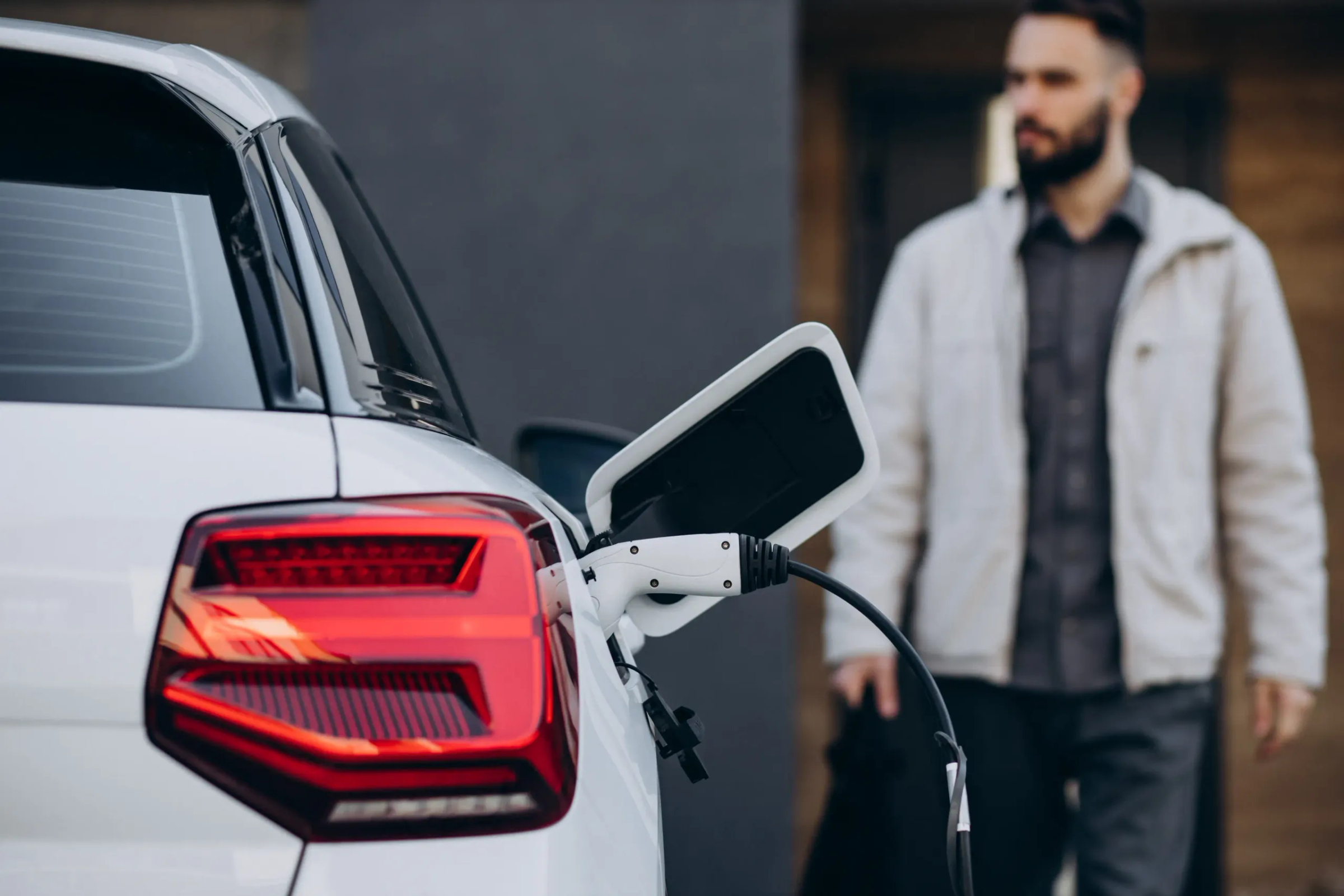
Electric car chargers for hotels

The guest arriving in an electric car chooses where to sleep by whether they can charge. We install the points, operate them and bill on your behalf, so the charger is one more service and not a job for the front desk.

The charger ends up being a front-desk problem

In most hotels that install a charge point, the front-desk team ends up running it. A guest cannot start the charge and comes down to ask. Another leaves the car plugged in all morning and blocks the only point. Another wants to know what it is going to cost and nobody can answer. And somebody has to decide whether to bill for it, how much, and how it goes on the room bill.

On top of that comes seasonality: in high season the point is always occupied and in low season nobody uses it, so average occupancy looks as though it does not justify the investment.

None of those problems is electrical. They are operational, which is why installing without settling who operates ends up creating more work than it saves.

The guest charges and pays on their own. Your team does not get involved.

  • Sizing by real occupancy

    We work out the points from the bays, the occupancy and the type of stay, not from a generic figure per number of rooms.

  • Automatic billing to the guest

    They pay from their phone at the moment of charging. No charges to the room, no cash and nothing for the front desk to touch.

  • Access control

    You can reserve the points for guests, open them to the public in low season or change the rule by time band.

  • Occupancy fee

    An extra charge when the car stays plugged in after charging has finished. It is what stops a point being blocked all morning.

  • Guest support

    If they cannot start the session, they call our support channel, not your front desk.

  • Visibility

    If you open the points, your hotel appears in the charging apps the driver already uses.

Three decisions specific to a hotel

Slow charging, not rapid, and almost always

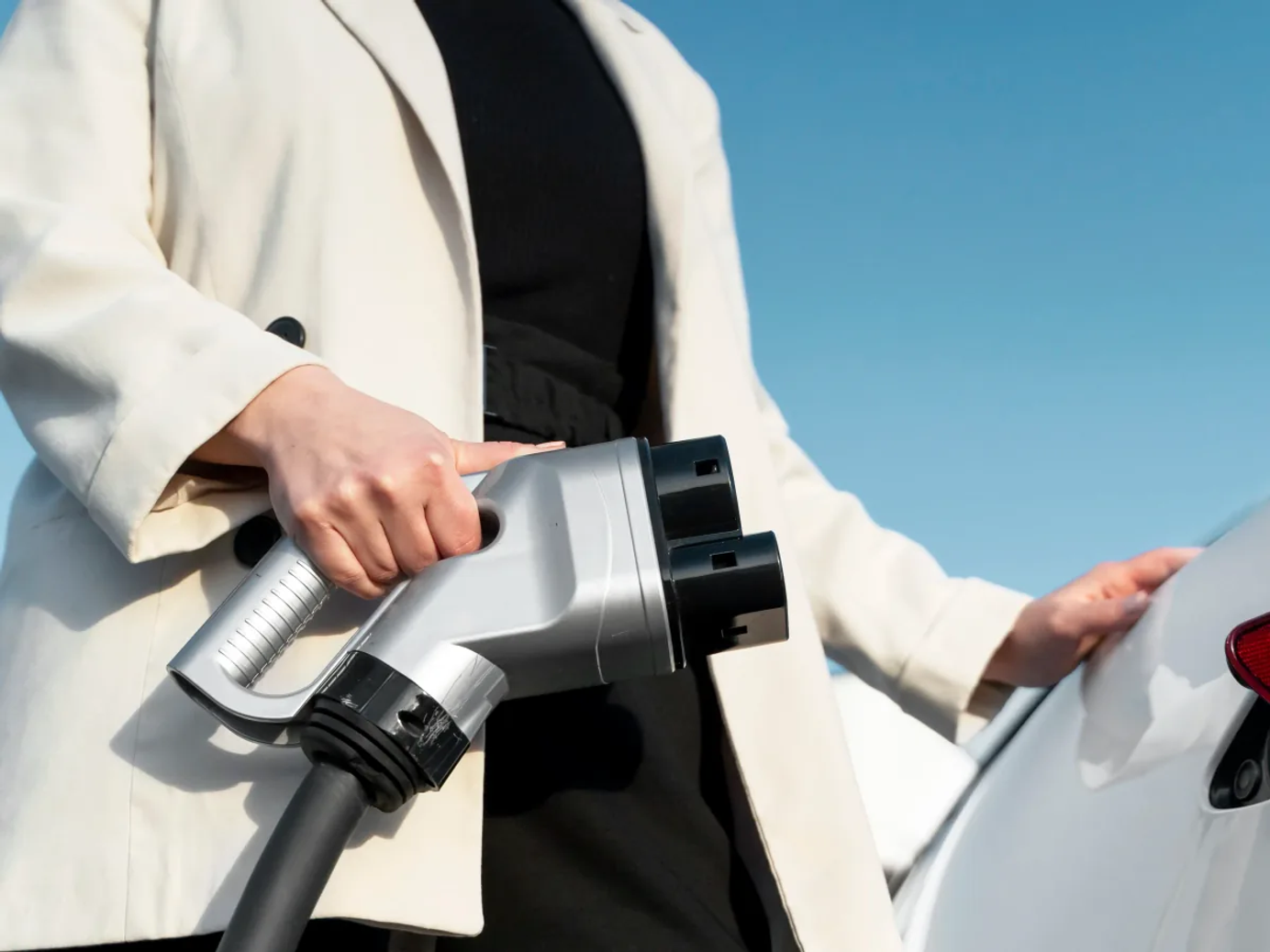
It is the decision that saves the most money and the one most people frame backwards. The guest leaves the car for eight to twelve hours: they do not need rapid charging, they need it full by morning. With slow charging, the same available power covers many more points, the installation costs considerably less and the car charges just the same.

Rapid charging only makes sense in roadside hotels with short stops, and that is a different project.
Seasonality: sizing for August without paying for it in February

A hotel with seasonal occupancy cannot size for the peak or for the trough. With dynamic balancing, the installation shares the available power between the cars that are charging, so in high season everyone is served (a little more slowly) and in low season each car charges at full power. The alternative, contracting power for August, is paid for all twelve months.

Where you put them matters more than it seems

A point in the worst bay of the car park is barely used and generates complaints. One in the best becomes a free bay for whoever is not charging. The location is decided with the same criterion as any other hotel service: visible, accessible and signed, with the signage that stops it being occupied without charging.

You decide whether it is an included service or a revenue stream

There are three ways to frame it and all three are legitimate, depending on what the hotel wants.

Included in the stay

The guest charges at no extra cost and the hotel uses it as a selling point. It works well in upper-end hotels with few bays.

Billed to the guest

They pay for the energy they use from their phone, with the price visible before they start. It is the most common arrangement and what makes the installation pay for itself.

Open to the public

Besides guests, any driver can use the points. It turns the car park into a revenue stream of its own and brings people into the restaurant or the café in low season.

What has to be complied with and what you can recover

Compulsory bays

The regulation sets a minimum provision of charge points in car parks of certain uses and sizes, and in buildings undergoing refurbishment. Specifically: in existing buildings, article 4 of Spanish Royal Decree-Law 29/2021 requires one charging station for every 40 parking spaces or part thereof (up to 1,000 spaces, plus one more for each additional 100) in car parks with more than twenty spaces, and its deadline expired on 1 January 2023. For new build and refurbishment the rule is section HE 6 of the Spanish Building Code, which also requires ducting prepared for at least 20 % of the spaces.

Certification

Registration of the installation with the region, with a certificate from an authorised installer. We handle it.

Incentives

Calls under Plan MOVES included installation in business and public-access car parks, with amounts set by each region. It is worth knowing that this programme is no longer open: MOVES III stopped accepting applications on 31 December 2025, and the Auto+ Programme that replaces it only subsidises the purchase of the vehicle, not the installation. The one national scheme that does fund infrastructure, MOVES Corredores de Recarga, is aimed at operators of publicly accessible charging alongside eligible stretches of road, and its first application window closed on 10 February 2026. For an installation of your own, today you have to look at the regional schemes, which neither open at the same time nor cover the same things.

How we work

  1. Technical survey · at no cost

    We visit the site, measure the power available in the supply and define which solution fits. With no commitment.

  2. Proposal and sizing

    We size for what you will need five years from now, not for what you need today. Extending later costs more than planning for it now.

  3. Permits and certification

    Technical report or full project, certification before the authorities, and dealings with the distribution network operator if the power needs upgrading. We handle it.

  4. Build

    Works, assembly and real charging tests with a vehicle.

  5. Commissioning

    Tariff and access permission configuration, registration on the management platform and handover of the full documentation. From here the network is live and monitored.

We install in order to stay

On commissioning day everything works. The problem shows up later: the connection drops, a user forces the connector, the firmware falls behind, the electricity tariff changes and nobody adjusts the prices.

That is why we monitor every point we install and respond to any incident without waiting for your call.

Frequently asked questions

How many charge points does a hotel need?

It depends on the parking bays, the occupancy and the type of stay, not on the number of rooms. A city hotel with short stays and a holiday hotel with week-long ones have different needs at the same size. In the technical survey we work it out with your real occupancy figures.

Does the front desk have to bill for charging?

No. The guest pays from their phone at the moment of charging, with the price visible before they start. It is not charged to the room, it does not pass through the front desk and it does not appear at check-out unless you want it to.

What if a guest leaves the car plugged in all day?

It is resolved with an occupancy fee: an extra charge from the moment charging has finished and the car is still connected. It is the standard mechanism for freeing bays and it works without anybody having to go and tell them.

Can I open the chargers to the public only in low season?

Yes. Access is configured by profile and by time band, and changed from the platform without touching the installation. Many hotels reserve the points for guests in high season and open them the rest of the year.

Is it worth it if few guests arrive in electric cars for now?

That is the right question and the honest answer is that it depends on the size of the installation, not on whether it is done at all. Building the common infrastructure now and starting with few points costs considerably less than installing everything three years from now, because the works are done only once. What does not pay is over-sizing today.

Can your hotel receive a guest arriving in an electric car?

Technical survey at no cost. We look at your car park and your available power, work out how many points fit and tell you which billing model performs best in your case.

Contact us